
Sunday, December 15, 2013
"I, Too, Am America"
It takes a long time to hand-craft a table. The sheer amount of work that presses into one solid piece of wood, shaping it, contorting it, and expecting it to become a set four-legged product of life is unimaginably colossal. This process, however diversified, is a product of society. Society shapes, twists, smooths, and forces a table into a set design. The trivialized kitchen table is unadorned. Its ebony surface reflects the ideals of those who sit around it and dictate. The reflective surface, slightly marred by scars and imprints, throws distorted images across its exterior. Yet, this lovingly polished table reflects not only one color, but many, ranging from the blase white to a rich mahogany. "I, Too" believes in a unity that such a table can only give. The table top is for sharing experiences, life-changing moments, moreover, equality that is everlasting. Everyone has to eat at a table. This seemingly prosaic moment is a monumental experience everyone goes through. The verisimilitude fostered by this eloquent poem is brought together through this extended metaphor between the united kitchen table and the United States of America. This table's surface is scratched by the similar experiences like segregation and marginalization that all the population has at one time been through. Langston Hughes effectively displays his theme of equality in unity at the ordinary kitchen table of America.


Sunday, December 8, 2013
The Nation as a Whole
Jay Gatsby and the American hero, Benjamin Franklin, despite seemingly different, have a lot in common. Both are self-made men - invented literally out of thin air. On top of this both seem to be magicians- the kind that are cons. Benjamin Franklin with his many personas - Silence Dogood and Anthony Afterwit- seems to be the very drawing board for Jay "Gatz" Gatsby. The only difference is that Gatsby had a more dark side, whereas Franklin wanted to better society.
These parallels that are drawn between the two men serve, only to show how the American dream has lasted beyond the 1700s and well into the 1920s. Fitzgerald drew from Franklin to show how the "American Dream" has become and ingrained part of society. It is always lurking about. Over the course of the novel, Gatsby, like Franklin, comes to represent the nation. Gatsby represents the promising idea that one can successfully reinvent oneself. Although Fitzgerald writes about this optimism, he definitely does not share it. Unlike Franklin's embodiment of the self made man, Gatsby's ultimate death marks the boundaries of the corruptness of the American dream.
The Great Gatsby, seems to epitomize the "American Dream", while yet displaying its hideous corruptness. Gatsby carries all the fraudulent connotations of this 1920 American Dream which Fitzgerald has seen fit to compare to Franklin's position as the epitome of this ideal dream. Gatsby and Franklin together form the nation - both ideal and opulent to corrupt and decayed on the inside.

These parallels that are drawn between the two men serve, only to show how the American dream has lasted beyond the 1700s and well into the 1920s. Fitzgerald drew from Franklin to show how the "American Dream" has become and ingrained part of society. It is always lurking about. Over the course of the novel, Gatsby, like Franklin, comes to represent the nation. Gatsby represents the promising idea that one can successfully reinvent oneself. Although Fitzgerald writes about this optimism, he definitely does not share it. Unlike Franklin's embodiment of the self made man, Gatsby's ultimate death marks the boundaries of the corruptness of the American dream.
The Great Gatsby, seems to epitomize the "American Dream", while yet displaying its hideous corruptness. Gatsby carries all the fraudulent connotations of this 1920 American Dream which Fitzgerald has seen fit to compare to Franklin's position as the epitome of this ideal dream. Gatsby and Franklin together form the nation - both ideal and opulent to corrupt and decayed on the inside.
Sunday, December 1, 2013
Inspiration
Words form from thoughts. Thoughts form from experience. Experiences form from events. Events happen every day of our lives. These events we record. In history. In diaries. In memories. In pictures. We even write these snapshots of life into our books. Pictures of life inspire us.
F. Scott Fitzgerald saw a vision in a piece of art. The cover art for his book The Great Gatsby, was actually written into the book itself. He uses the image to relay themes of the life he portrayed in the novel. It spoke about hope, immorality, moral decay, social issues, warnings, and mystery.
 Recently, art is becoming less appreciated. If we see a scenic shot, we snap a picture and save it away. Every day people try to be inspiring with phrases and words these inspirational pictures - using parts to note details that might seem important. Yet people are abusing this. They believe slapping anything uplifting on a scene is correct. It's not.

This is my favorite image. The words have meaning. Be yourself. Don't be anything society wants you to be. It gives you two choices - each for you to interpret on your own. For example, I believed bold meant outspoken, not the norm courageous. Italic meant malleable, easily influenced yet strong in position. It meant authoritative. This image told me to not be normal and interpret it with a normal eye. Be myself.
F. Scott Fitzgerald saw a vision in a piece of art. The cover art for his book The Great Gatsby, was actually written into the book itself. He uses the image to relay themes of the life he portrayed in the novel. It spoke about hope, immorality, moral decay, social issues, warnings, and mystery.
We picked apart this art and stripped it open to the naked eye. We appreciated it for what it told about the human condition.
 Recently, art is becoming less appreciated. If we see a scenic shot, we snap a picture and save it away. Every day people try to be inspiring with phrases and words these inspirational pictures - using parts to note details that might seem important. Yet people are abusing this. They believe slapping anything uplifting on a scene is correct. It's not.
Art is worth a thousand intelligent words. Copying and pasting a quote on a picture reveals nothing about the picture or anything deeper about the words. Words and pictures have to connect.
This is my favorite image. The words have meaning. Be yourself. Don't be anything society wants you to be. It gives you two choices - each for you to interpret on your own. For example, I believed bold meant outspoken, not the norm courageous. Italic meant malleable, easily influenced yet strong in position. It meant authoritative. This image told me to not be normal and interpret it with a normal eye. Be myself.
The world is always outspoken. We just really need to think before we write, create, or even start to form an idea about humanity.
Sunday, November 24, 2013
Sanctuary: For Everyone
Often when one comes to a new country or area, there are differences. Language, Customs, Traditions - all have different personalities based on the many different backgrounds. These marginalized people are always pushed into a dark, dusty corner, and never given a chance to flourish.
This weekend, my mother let me accompany her to a small dinner with one of her former student's family. This family was recently new to America: they had been here for only three years. Their story is opposite of this norm. When they arrived, they came with two other families, both of which are back in their native country. They could not handle the dark corner. My mother's student, however, was allowed 'sanctuary' in her classroom and thrived. From not speaking a word of English, he has morphed into a baseball all-star and a double-advanced math whiz. His English problem? Gone.
Similarly, Giovanni in her piece, Sanctuary: For Harry Potter the Movie, unites marginalized people of all backgrounds and provides them with sanctuary. She makes everyone equal in her temple and makes them feel accepted, nurturing them with similar experiences. They become pillars of support. She tears down the walls of differences and shines the light of strength.
I am not saying that all someone needs is nurturing. One also needs the inner strength to accept who they have left behind them in order to metamorphose; they need the strength to push past the dirt of past stereotypes and break into the open, endless world.
Even though roots can come from many different places, types, and traditions; they still need the same care and acceptance as others. They "[live], like all of us" (Giovanni, line 37). The only thing that is different: the way we blossom into who we are.

Sunday, November 17, 2013
Evolution
Although immeasurable time has passed since the foundation of punctuation was laid down, the catalyst time has changed its relevance. The era of strict adherence to punctuation, marked by extensive usage and structure, has been dimmed by the oncoming new age. Less punctuation usage does not decrease the level of understanding within a piece, but merely evolves a writer's meaning through conciseness. Due to this, even the ever-changing world should acknowledge a subtle change in these ironclad rules.
 Many would refute that today's world requires the archaic and strict conformity punctuation offers. Have we really changed that much from the historical way of writing? Scrutiny of historical writings makes it easy to see why. Yet, Hitchings examines the change from "long-established rules" to "a break from tradition" (Source A). Even the renegade literary heroes of old - Austen and Dickinson - exemplify the individual meanings each punctuation mark has and the connotations they hold (Source B/C). Lewis Thomas' Notes On Punctuation also reflect on the characters of each individual symbol of punctuation (Source D), and Dolnik reminisces about his past relationship with semicolons and how they connotate "a mere matter of style" (Source E). Cosco examines the usefulness Twitter has dealt with in regards of concise writing and audience refinement (Source F). Assuredly, the world has changed, and punctuation is not necessary to the extent it has had in the past. Changes have occurred: technology is new and ever-changing, and society has the option to not conform to the conventional rules of punctuation any longer. Yes, the times have changed.
Punctuation focuses more on the grammatical and orderly side of written language - without any regards to the true message or style embedded within. Yet it seems "consistent communication" is at a continual stand off with today's "language [that] evolves in conjunction with culture"(Source A). Twitter and other social media sites have character limits forcing writers to be concise. With these limits, writers have to pick and choose words, phrases, and even punctuation (Source F). However, tweets and posts still proclaim their messages even with little or no punctuation. Society has evolved to the use of hash tags, a new punctuation, in order to convey feelings and tones or essence. Even text messaging has created shorthand language. Today's ever-advancing technology creates the need for conciseness and, in turn, less punctuation. Like evolution, punctuation has to evolve gradually and embrace the sui genesis of an ever-changing world.
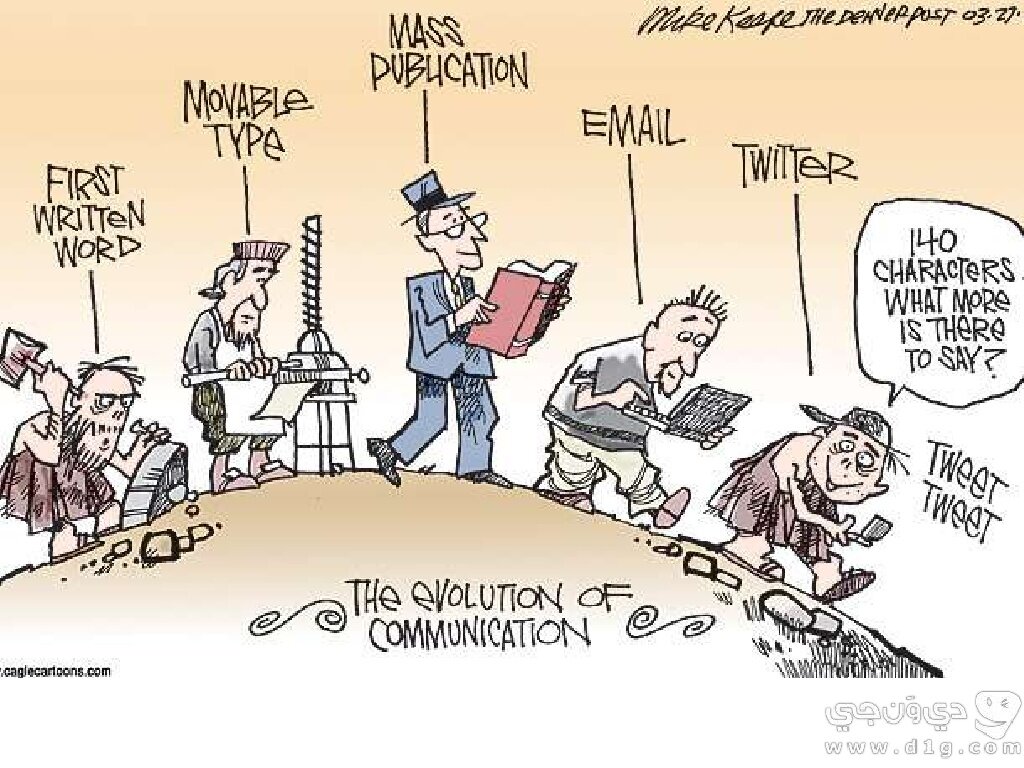 Many would refute that today's world requires the archaic and strict conformity punctuation offers. Have we really changed that much from the historical way of writing? Scrutiny of historical writings makes it easy to see why. Yet, Hitchings examines the change from "long-established rules" to "a break from tradition" (Source A). Even the renegade literary heroes of old - Austen and Dickinson - exemplify the individual meanings each punctuation mark has and the connotations they hold (Source B/C). Lewis Thomas' Notes On Punctuation also reflect on the characters of each individual symbol of punctuation (Source D), and Dolnik reminisces about his past relationship with semicolons and how they connotate "a mere matter of style" (Source E). Cosco examines the usefulness Twitter has dealt with in regards of concise writing and audience refinement (Source F). Assuredly, the world has changed, and punctuation is not necessary to the extent it has had in the past. Changes have occurred: technology is new and ever-changing, and society has the option to not conform to the conventional rules of punctuation any longer. Yes, the times have changed.
Punctuation focuses more on the grammatical and orderly side of written language - without any regards to the true message or style embedded within. Yet it seems "consistent communication" is at a continual stand off with today's "language [that] evolves in conjunction with culture"(Source A). Twitter and other social media sites have character limits forcing writers to be concise. With these limits, writers have to pick and choose words, phrases, and even punctuation (Source F). However, tweets and posts still proclaim their messages even with little or no punctuation. Society has evolved to the use of hash tags, a new punctuation, in order to convey feelings and tones or essence. Even text messaging has created shorthand language. Today's ever-advancing technology creates the need for conciseness and, in turn, less punctuation. Like evolution, punctuation has to evolve gradually and embrace the sui genesis of an ever-changing world.
Sunday, November 10, 2013
Societal Expectations
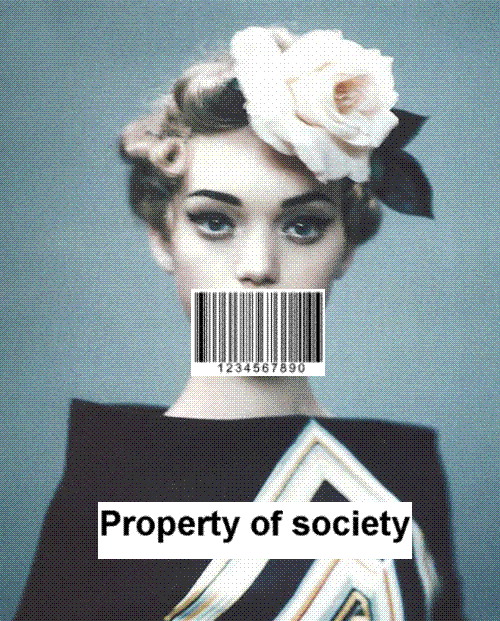
Expectation. Expectation is an interesting word. A women’s acceptance
is based not only on personal expectations but also on expectations of society.
Women in particular, make an art of it in their behavior, their outlook, their sense
of style and their overall presentation.
The question is, are these expectations
necessary to be accepted by the opposite gender in society as equal, or as an
aspect of competition of the same gender.
Miley Cyrus is a prime example of this
conflict. One wonders if her expectations were geared towards attaining male
attention, or standing out as a woman. In either case, she left her mark on
society.
To some, such behavior is shocking; to
others it could be nothing but a form of art. In any event, societal
expectations were tampered with.
In There Is No Unmarked
Woman, by Deborah Tannen, there are expectations created by society for
women such as the type of outer apparel – makeup and hairstyles – which are
seldom used in evaluating males. Tannen details the various ways society has
pressured females to bow towards societal expectations. For example, Tannen
describes how women have many titles such as, ‘Mrs.’, ‘Ms.’, and ‘Miss,’
whereas men only have one: ‘Mr.’ Women mark themselves by applying different expectations
of society in their outward persona.
Expectations dictate women’s lives and will continue to do so. Men
can escape its clutches but women fall into deeply dug out historical crevices in
which they are marked and scrutinized whether they like it, or not.
Sunday, November 3, 2013
Visual Rhetoric in the Real World
Visual rhetoric is the language of images. It speaks for the images and converses with them, digging deeper into what exactly the image is trying to say.

This week we analyzed visual images associated with The Scarlet Letter.
We discussed how Dimmesdale was looking towards the light, how he was placed on the scaffold with Hester, how he held his heart, how he looked with fright. We analyzed the light and the darkness effect. We commented on how there was an A in the light of the heavens, and how it symbolized judgement from higher power - how Dimmesdale fears that judgement. We analyzed how the main color was scarlet, which represented the letter and its vividness.
Sad to say, I did not fully understand this concept. Until two days ago.
Gravity is a movie that follows the various measures taken to escape the writhing darkness of space. Without giving too much away, the story follows Sandra Bullock on her journey home to Earth. During the movie, one vivid scene stood out. I might have missed it, if I had not remembered the visual rhetoric. However, at a peaceful moment, I saw a picture that finally let me understand visual rhetoric. An image of a baby.

Her eyes are closed; she is floating peacefully; her arms are in fetal position; she is peaceful, maybe even sleeping. The light in the background indicates a peaceful tomorrow, where she will not be scared anymore. The only letters are Russian script, symbolizing a new beginning as the letters have the number one after them. She seems at stage one of her process. Her clothing is sparse and emphasizes her form, representing tightness as one would find in her mother's arms. This image symbolizes and conveys a message of safety and peace. She is out of danger in this one place. This capsule refers to the mother's womb where humans feel the safest. She is able to rest comfortably. The fetal position shows she is at her most vulnerable and needs the safety of a mothers' womb.
This image has let me understand how to interpret the language of images.
After the movie, a fellow classmate and I remarked about how we actually understood this. The movie was narrating a didactic story about being reborn.
Visual rhetoric helped me fully understand the underlying story under this one movie. Now I have to apply it to everything else I see and watch. Imagine the underlying stories of everything!
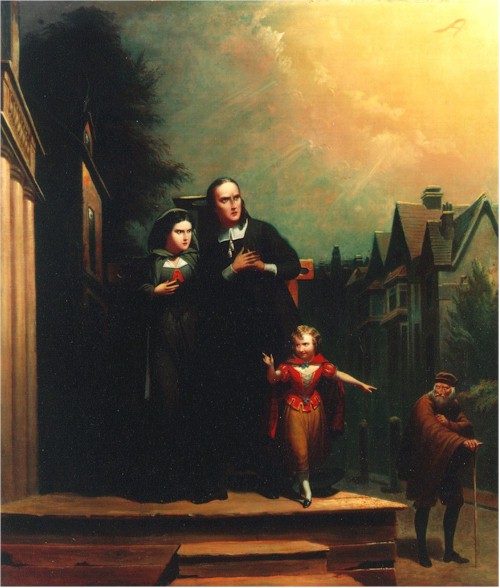
This week we analyzed visual images associated with The Scarlet Letter.
We discussed how Dimmesdale was looking towards the light, how he was placed on the scaffold with Hester, how he held his heart, how he looked with fright. We analyzed the light and the darkness effect. We commented on how there was an A in the light of the heavens, and how it symbolized judgement from higher power - how Dimmesdale fears that judgement. We analyzed how the main color was scarlet, which represented the letter and its vividness.
Sad to say, I did not fully understand this concept. Until two days ago.
Gravity is a movie that follows the various measures taken to escape the writhing darkness of space. Without giving too much away, the story follows Sandra Bullock on her journey home to Earth. During the movie, one vivid scene stood out. I might have missed it, if I had not remembered the visual rhetoric. However, at a peaceful moment, I saw a picture that finally let me understand visual rhetoric. An image of a baby.

Her eyes are closed; she is floating peacefully; her arms are in fetal position; she is peaceful, maybe even sleeping. The light in the background indicates a peaceful tomorrow, where she will not be scared anymore. The only letters are Russian script, symbolizing a new beginning as the letters have the number one after them. She seems at stage one of her process. Her clothing is sparse and emphasizes her form, representing tightness as one would find in her mother's arms. This image symbolizes and conveys a message of safety and peace. She is out of danger in this one place. This capsule refers to the mother's womb where humans feel the safest. She is able to rest comfortably. The fetal position shows she is at her most vulnerable and needs the safety of a mothers' womb.
This image has let me understand how to interpret the language of images.
After the movie, a fellow classmate and I remarked about how we actually understood this. The movie was narrating a didactic story about being reborn.
Visual rhetoric helped me fully understand the underlying story under this one movie. Now I have to apply it to everything else I see and watch. Imagine the underlying stories of everything!
Sunday, October 27, 2013
Simple Deduction
Fourth of July, was normally spent on Gross Ile at a family friends place. Dr. Wayne has no kids and so he would wait for us to excitedly climb on to his boat,and just as eagerly take us on a cruise along the Detroit River. With my sister and my older cousin, we were celebrating with many others, winding in and out among the many river-boats. It was beautiful sunny day and lots of people were out on the river. Unknown to us, we had been spotted by the coast guards and were being followed. As soon as we got near the Gross Ile marina, we were stopped and detained for being illegal immigrants. For three hours, four-year old me was kept away from my family.
The government was just doing its job when it detained me, thinking I was an illegal immigrant or even arrested Thoreau for not paying his poll taxes.While reading Civil Disobedience, I disagreed with Thoreau's "that government is best which governs least" (Jefferson) ideas. I have no issues against the government. In my case, illegal immigrants are a fair and right case that the government has to deal with. This is a problem because illegal immigrants take jobs and benefits that could go to the American people. Similarly with Thoreau's case, the government was trying to be fair. Everyone has to pay taxes whether they support something or not. Thoreau states that people contradict themselves when they condemn issues that the government supports yet pay taxes. I am an American citizen yet the government detained me as an illegal immigrant. Everybody makes mistakes, but I do not think that serves a call for anarchy or rebellion. The government we have allows both Thoreau and me the freedom to express ourselves and the freedom to support and condemn ideas, but we can not take it so far as to suggest rebellion. Government is our friend. One can blame things on it, have fights with it, threaten to cease our ties with it but ultimately it is our fault too sometimes.
The young man who detained me, sat alongside me for three hours on a hill overlooking the marina. While we were waiting, me, being the fidgety child tried to get closer to the water. He repeatedly advised, as a father would, to not move closer to the water otherwise I would fall in. Yet nearly a few minutes later, I slipped and he caught me before I could tumble into the murky water. The government safe-guarded me even though I did not want to listen. He was peaceable and honest with me, even though I was a child. I did not throw a fit or curse the government for its corruptibility. Thoreau needs to relax, the government has a job to do; it needs to protect its people so that we have the freedom to write essays like Civil Disobedience.
The government was just doing its job when it detained me, thinking I was an illegal immigrant or even arrested Thoreau for not paying his poll taxes.While reading Civil Disobedience, I disagreed with Thoreau's "that government is best which governs least" (Jefferson) ideas. I have no issues against the government. In my case, illegal immigrants are a fair and right case that the government has to deal with. This is a problem because illegal immigrants take jobs and benefits that could go to the American people. Similarly with Thoreau's case, the government was trying to be fair. Everyone has to pay taxes whether they support something or not. Thoreau states that people contradict themselves when they condemn issues that the government supports yet pay taxes. I am an American citizen yet the government detained me as an illegal immigrant. Everybody makes mistakes, but I do not think that serves a call for anarchy or rebellion. The government we have allows both Thoreau and me the freedom to express ourselves and the freedom to support and condemn ideas, but we can not take it so far as to suggest rebellion. Government is our friend. One can blame things on it, have fights with it, threaten to cease our ties with it but ultimately it is our fault too sometimes.
The young man who detained me, sat alongside me for three hours on a hill overlooking the marina. While we were waiting, me, being the fidgety child tried to get closer to the water. He repeatedly advised, as a father would, to not move closer to the water otherwise I would fall in. Yet nearly a few minutes later, I slipped and he caught me before I could tumble into the murky water. The government safe-guarded me even though I did not want to listen. He was peaceable and honest with me, even though I was a child. I did not throw a fit or curse the government for its corruptibility. Thoreau needs to relax, the government has a job to do; it needs to protect its people so that we have the freedom to write essays like Civil Disobedience.
Sunday, October 20, 2013
Ironic Ignorance and the Ceiling
'They say behind every great man there's a woman" (Meryll Frost). As we discussed The Declaration of Sentiments and Resolutions in class, this quote kept nagging at me. This document assessed the struggle of women against male oppressors. It replaces the roles of colonists and King, with women and men, like in the Declaration of Independence. I feel strongly for this subject, probably because I am an female and can relate, but because even today we, as women, still do not have the same rights as men.
The Declaration of Sentiments and Resolutions, by Elizabeth Stanton and few others, elaborates on the conditions faced by women at the time of the Seneca Falls convention. Previously being cast out of a discussion in London about slavery, these women were able to congregate and express their opinions on women's rights. This document basically states the feelings of the women who, during this time period had no rights. Today, we have some of the basic rights that were listed but not all.
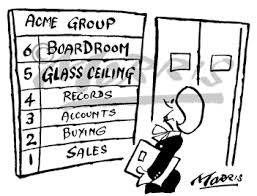
Some may argue that, women have the same rights everyone else. This is limited thinking. Expand your scope beyond America. Beyond the surface of first, second, and third world countries. Fact is, women hit what is known as a "Glass Ceiling." Although this applies mostly to the workplace, I believe it applies here too. The "Glass Ceiling" is basically what it says. Imagine a skyscraper. Women are able to see all the way to the top due to the glass ceiling. However, once we reach a certain level, the so called glass ceiling prevents us from going further. We can see, but not attain.
 Several examples of this concept are highlighted in society. Take the sixteen-year-old Malala Yousafzai; a women's education activist. She posted a blog for BBC in a heavily Taliban populated area. For her outspoken voice on women's rights, males shot her in the head and neck, when she was getting off a bus.
What disappoints me, more than our lack of social rising, is that recently, I was talking with my friend Pumba (he does not want his name disclosed) and we were discussing blog posts. So asked him if I could write about Malala. Sad to say, he did not even know who I was talking about. He had not even heard of the name. With such a ignorance, it seems odd that not only are women hitting the glass ceiling, but also are being forgotten by society. It disappoints me to see that even in a male dominated world they can't see. I digress.
This struggle is ironic. At first, our rights were in males' hands. They argued for us, they made statements like the one Meryll Frost made. Yet, note, they say but do not do. The world does not remember our fight. Society claims to listen but withholds decisions. The Declaration of Sentiments opens up the world to the on-going struggle women face.
'They say behind every great man there's a woman" Just how behind are we?

The Declaration of Sentiments and Resolutions, by Elizabeth Stanton and few others, elaborates on the conditions faced by women at the time of the Seneca Falls convention. Previously being cast out of a discussion in London about slavery, these women were able to congregate and express their opinions on women's rights. This document basically states the feelings of the women who, during this time period had no rights. Today, we have some of the basic rights that were listed but not all.
Some may argue that, women have the same rights everyone else. This is limited thinking. Expand your scope beyond America. Beyond the surface of first, second, and third world countries. Fact is, women hit what is known as a "Glass Ceiling." Although this applies mostly to the workplace, I believe it applies here too. The "Glass Ceiling" is basically what it says. Imagine a skyscraper. Women are able to see all the way to the top due to the glass ceiling. However, once we reach a certain level, the so called glass ceiling prevents us from going further. We can see, but not attain.

What disappoints me, more than our lack of social rising, is that recently, I was talking with my friend Pumba (he does not want his name disclosed) and we were discussing blog posts. So asked him if I could write about Malala. Sad to say, he did not even know who I was talking about. He had not even heard of the name. With such a ignorance, it seems odd that not only are women hitting the glass ceiling, but also are being forgotten by society. It disappoints me to see that even in a male dominated world they can't see. I digress.
This struggle is ironic. At first, our rights were in males' hands. They argued for us, they made statements like the one Meryll Frost made. Yet, note, they say but do not do. The world does not remember our fight. Society claims to listen but withholds decisions. The Declaration of Sentiments opens up the world to the on-going struggle women face.
'They say behind every great man there's a woman" Just how behind are we?
Sunday, October 13, 2013
Reputation, Reputation, Reputation
Businesses: Location, location, location. But, is the road to a successful business really location? A dirty, shady business in prim location is not going to be the center of the business world. Similarly, The Crucible relates the reputation of a person to their stature in the community. Reputation is how life surrounds John Proctor in the Crucible So in this case, as well as real life, reputation, reputation, reputation counts.
 Reputation is everything, especially to high school students. Back in ninth grade, I was so hyped up about my reputation and everything. I used to make sure nothing was out of place on my person and everything was organized. I was literally the freak who made sure everything was perfect. My reputation could not take a small hit especially since, "no crack in a fortress may be accounted small"(Miller 169). Reputation is what everyone sees because no one can see what goes on in the inside. Everyone judges you based on your reputation.
John Proctor is similar. He is judged based on his reputation. A reputation of level-headedness, a reputation of calmness, a reputation of not going to church, a reputation of truthfulness, but no one can see that. No one realizes that his reputation reflects an intelligent man, who believes in god but is not a witch. No one believes this man who can't adhere to going to church. His reputation is in shambles because he didn't keep up with the rest of the Salem community. His reputation.
Reputation shapes you, it guides you. Reputation is your all. You can build up, and you can see it be torn down. Your name is your name. Of course you want to be situated in the center of attention, but remember location is not everything. Your reputation is.
John Proctor is similar. He is judged based on his reputation. A reputation of level-headedness, a reputation of calmness, a reputation of not going to church, a reputation of truthfulness, but no one can see that. No one realizes that his reputation reflects an intelligent man, who believes in god but is not a witch. No one believes this man who can't adhere to going to church. His reputation is in shambles because he didn't keep up with the rest of the Salem community. His reputation.
Reputation shapes you, it guides you. Reputation is your all. You can build up, and you can see it be torn down. Your name is your name. Of course you want to be situated in the center of attention, but remember location is not everything. Your reputation is.
Sunday, October 6, 2013
Who's McCarthy?
Let's take a trip down memory lane. Last year I took a wonderful class called Advanced Placement United States History. This class was one of a kind, we learned about all the blood and flowers of history. Yet, one particular time period stood out to me. The time from 1940 - 1991. In this time period, America was heavily distracted by a foe called Communism. It was like the slender man of the time. Yet, along comes literature's favorite dashing hero, Joseph McCarthy. At first everyone loved him because of his role in secreting out communist supporters, however, after a while he started to accuse the wrong people. Influential people. People who were smarter than him.
I can't help but relate this to The Crucible ( I did not read sparknotes people, although I probably should, I paid attention to Ms. Valentino). The Crucible is where we see a motif of naming names. Accusing people unjustly and willy nilly. Although I know The Crucible is allegory of McCarthyism and the Red Scare, I can't help but wonder who represents McCarthyism?
We have the tragic hero, Proctor, who has a good, if not scary profile in the town of Salem. Proctor is the kind of tragic hero who would give up anything to show that he is right and that everyone else is against the wrong area. Does he relate to Joseph McCarthy? They both try and convince people that there is a list of wrong doers and they must be silenced, yet Proctor's good (somewhat) and McCarthy is sort of unjustified. On the other hand, both do accuse influential people, which immediately leads to their separate downfalls.

What about the antagonist Abigail Williams? She names a whole bunch of people who become convicted of witchcraft, similar to how McCarthy convicts innocence citizens of supporting communism. McCarthy and Abigail just have to mention names in order for someone to lose their life. They both create a big stir that eventually spreads across the entirety of America.
So who is the play referring to as McCarthy?
Motifs confuse me, so bear with me if I get this wrong, but both Proctor and Abigail represent this motif of naming.They both seem to represent McCarthy very well-complimenting both sides of McCarthyism. Proctor names Abigail as a seductive girl and ruckus maker and Abigail in turn names a whole bunch of people as witches. McCarthy names people as being communist. Eventually Proctor gets called a liar (like McCarthy) and Abigail flees (like McCarthy). The motif of naming lets the reader dive deeper into the meaning behind the play. It was to represent a fear of mob mentality and condone outsider evaluation, but the motif reveals that the good and bad guy can create strife and conflict that leads to accusatory statements and bandwagon ideals.
Sunday, September 29, 2013
He Does Not...Or Does He?
Our roots. They are found in our families. They are found in our ties. They are found in our beliefs and faiths. Religion makes up most of our beliefs, and though its constantly put in the spotlight, it may have some insight.
 Divine providence has been debated time and time again but the fact is, we can't see it, feel it, or even find it. Of course there are some ways to explain heaven and the fact that our everyday lives are governed by some supernatural force but they usually leave out a factor like truth or reliability.

Currently, we were learning about early American literature. It was highly influenced by the idea that God does certain things for a reason, such as giving corn and supply to the Plymouth colonists and such ideas that the natives were helping them only because God saw it fit. This idea of providence really shows that some believe that life is governed by a divine force.
 I'm not trying to disprove anything. I think there are possible scenarios that God could be in. Who knows he could be standing right over my shoulder.

Once I heard a Emergency Room story, where a victim was rushed into ICU with a fatal wound from a car accident. She reported being conscious during the entire ordeal, although staff kept saying that her eyes were closed and she wouldn't respond. She went into surgery to come out alive (Thank God), but said that she was able to look down on her body as a "floating figure." This was also seen in multiple cases across the nation. Surprisingly, there was a surge to test this. When people went into near death surgeries the staff would write or hide something up on a high shelf- something that could only be seen from above. No one even reported any of these things. Doesn't this really disprove the fact that there is a higher dimension out there?
Or are there?

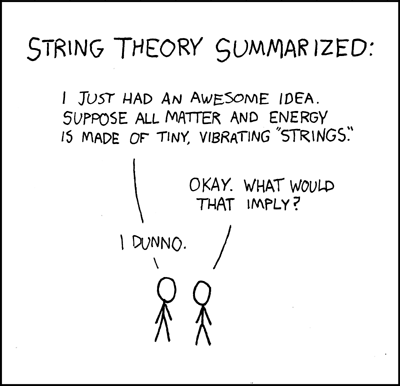
String theory is a complex way of dealing with the estranged idea of providence. String theory basically brings together all the factors of science and accounts for a dimension where a substance (or in this case divine figure) could be standing about a centimeter away from us. So essentially science may have proved why we can't see God, but then again its just a theory. Unproved and so far still debated, just like religion.
Currently, we were learning about early American literature. It was highly influenced by the idea that God does certain things for a reason, such as giving corn and supply to the Plymouth colonists and such ideas that the natives were helping them only because God saw it fit. This idea of providence really shows that some believe that life is governed by a divine force.
 I'm not trying to disprove anything. I think there are possible scenarios that God could be in. Who knows he could be standing right over my shoulder.
 Sunday, September 22, 2013
Stereotyping in the Melting Pot
 Smug, happy, and quite oblivious as to what is going on in the rest of the world, Americans enjoy the American dream. Many from around the world seek to enjoy the same American dream. The immigration of Europeans has been acceptable, but a different attitude has developed when it comes to people of color. The "melting pot" is in fact quite unreal. From its onset, it has been struggling with the idea of keeping America white. It is a fact that humans are, and no matter how hard they try not to, still hold prejudices. A majority of Americans, with all good intentions are in denial that racism is alive and kicking. Last weekend, the melting pot simmered violently after the crowning of the Miss America, who happened, to not only be of color, but also of Indian decent. Although born and brought up in America, and being a part of the so called melting pot, her crowning was unacceptable to many white Americans. The tweets proved an unspoken sentiment that a large percentage of predominately white Americans are fearful of losing the privilege that they are reluctant to admit they possess. Even the world notices the behavior of the many in the melting pot. "In a flaming demonstration that an egalitarian, non-discriminatory United States,...bigotry and bias kept popping up on a social media for hours after the event," the Times fumed. "Mindless racist stereotyping raced ahead of the ideals professed by many Americans."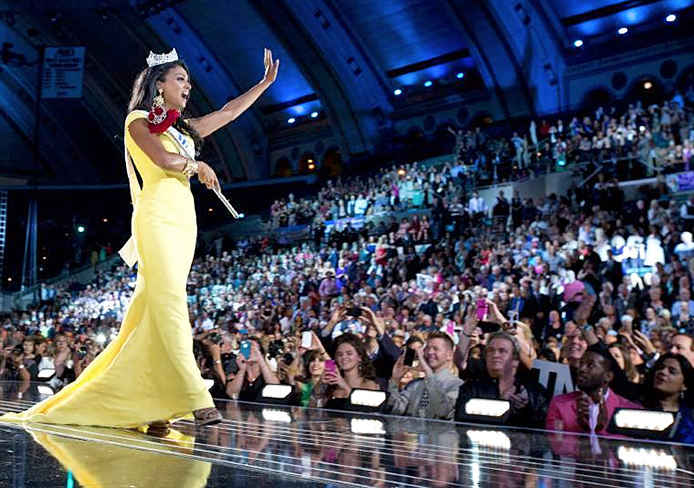
While reading The Lone Ranger and Tonto Fist Fight in Heaven, my mind, inadvertently popped back to this recent event. While Alexie comically fights prejudice in his novel, Miss America was subjected to an on slaughter of vicious remarks and comments on her race. Alexie explored the relationship between racial categorization and explained why people think they way they do about Native Americans. Prejudices exist everywhere; from a small 7-11 business to the stage set for Miss America.
Prejudices can lead to hurtful and derogatory allegations. Over and over again Americans prove that they have prejudices against non-white races. Once one factors in the fear of becoming a white minority and the ongoing struggle of whites to keep America white, the term "melting pot" is most definitely a myth.

Sunday, September 15, 2013
Power in the Palms of Everyone's Hands
How
much power does an individual person wield? I know a person wields 312 million units of energy per year, yet that is different from wielding it. Power is different in certain
instances. I could say people wield a lot of power. President Obama wields a
lot of power. He's in control of an entire nation. Yet, I could say the common
man wields as much or more power than him, being able to vote, recall, and referendum these powerful politicians. I could say the wife of the common man
is powerful, being able to swing his decision. I could say the children of
the family wield power over the man and wife, being able to kick up a storm in
order to get their way. I could say this cycle is endless. Power is different
to everyone. So how can you measure how much one has?
People
are all different; they use power differently. An individual uses power as
they see it fit. It varies at different times. Huckleberry Finn uses power to
show his struggle and at that time he uses a lot of power to do what is right
and help Jim - he changes his mindset. He doesn't stay with his original way of thinking. Thinking that taught him that African Americans were not people. Yet the power that he and Jim wield lead him to question himself - question his basic understanding of the world and how it works. He changes his mind. By changing his mind he shows that not only does he wield a lot of power, but that the amount of power that he does wield can change someone's mind. Individuals can wield as much power as
they want to.
I
believe people can wield as much power as they see fit. One can try and measure the amount of power an individual uses but it changes to quickly for it to matter.An individual shows
compassion, criticism, and other elements that have the power to change a
person's outlook on life, just as Huck Finn did. How much power can someone wield? Well, they can wield enough
power to change your mind, your perception, your everything, and your all. That is how much power just one person can actually wield.

Subscribe to:
Posts (Atom)